
Things to Do in Bismarck in February
February weather, activities, events & insider tips
Low Season · Budget Friendly
February Weather in Bismarck
Long-run averages for February
26°F (-3°C)
High Temp
7°F (-14°C)
Low Temp
0.6 inches (15 mm)
Rainfall
71%
Humidity
4
Rainy Days
2
Sunny-Day UV
⚠ Wind chill regularly drops to -20°F (-29°C) or colder during February cold snaps, with occasional extreme events pushing below -40°F (-40°C). Frostbite can occur on exposed skin in under fifteen minutes at these temperatures. Monitor wind chill advisories daily. Carry face and hand protection at all times.
⚠ Blizzard conditions are possible throughout February. Whiteout visibility hits highways hard. Drifting snow can close rural roads for hours. Sometimes closures stretch for days. If driving outside Bismarck, check North Dakota Department of Transportation road conditions before departing. Carry an emergency vehicle kit. Always.
⚠ Black ice forms on Bismarck roads and sidewalks throughout February. Early mornings are worst. Brief afternoon thaws refreeze overnight. Walk carefully on any paved surface. Drive well below the speed limit until you have a feel for conditions. Take your time.
Making the most of February in Bismarck? Browse tours and activities in Bismarck on GetYourGuide.
Is February Right for You?
Weigh the advantages and considerations before booking
Advantages
- + February lands you in Bismarck's dead off-season. Hotel rates across the city hit their lowest annual levels. You will have major indoor attractions like the North Dakota Heritage Center essentially to yourself on weekday mornings. Plan for quiet halls and easy parking.
- + The 2027 North Dakota Legislative Assembly convenes in January of odd-numbered years. February puts you in the capital while the session runs hot. The Capitol building hums with real governance. Committee hearings stay open to the public. Downtown restaurants fill with legislators, lobbyists, and staffers who know exactly where to eat. This is Bismarck most visitors never see. Catch it while you can.
- + Winter on the northern Great Plains carries a stark, severe beauty. It photographs like nothing else in the Lower 48. The Missouri River corridor south of Bismarck fills with ice fog at dawn. Frost crystals coat bare cottonwood branches along the bluffs. On clear nights, light pollution drops low enough to see the Milky Way from the edge of town. February's short days stretch sunrise and sunset colors across an unbroken horizon. Bring a tripod.
- + Bismarck's German-Russian food heritage peaks in cold months. Restaurants and church basement fundraisers serve the hearty, starchy comfort dishes settlers brought from Black Sea colonies in the 1880s and 1890s. Knoephla soup, fleischkuekle, and kuchen remain year-round staples. They taste right when wind chill pushes -30°F (-34°C) and you have been outside twenty minutes too long. Order the soup.
Considerations
- − The cold is not metaphorical. February's average high of 26°F (-3°C) marks the warmest part of the day. The average low of 7°F (-14°C) arrives with prairie wind that regularly pushes wind chill values to -20°F (-29°C) or colder. Exposed skin can develop frostbite in under thirty minutes on a windy day. This is not discomfort. It is a genuine safety consideration that limits outdoor time without proper layering. Pack accordingly.
- − Outdoor activities shrink to a short list. Fort Abraham Lincoln State Park south of Mandan stays open for snowshoeing and cross-country skiing. The reconstructed Custer House and On-A-Slant Village are closed for the season. Trails may be impassable after fresh snow. The Missouri River is partially frozen, which rules out water-based recreation. Daylight runs roughly 7 AM to 5:30 PM. That compresses what you can do outside. Check conditions daily.
- − Bismarck is a small city of around 75,000 people. In February the dining, nightlife, and cultural calendar reflect that honestly. Downtown along Main Avenue holds a handful of solid restaurants and bars. You will not stumble onto a new spot every night for a week. Plan for repeated visits to places you like. Adjust expectations accordingly. The trade-off is genuine local character.
Settled on February? Compare hotel prices in Bismarck for your dates on Trip.com.
Best Activities in February
Top things to do during your visit
North Dakota Heritage Center and State Museum
The Heritage Center, attached to the State Capitol grounds, is the single best reason to visit Bismarck in any month. February's empty galleries make it even better. The museum covers 600 million years of geological and human history across four major galleries. See Cretaceous marine fossils pulled from the badlands west of here. The Northern Plains tribal collections include some of the most significant Mandan and Hidatsa artifacts in the country. The Innovation Gallery traces homesteading and German-Russian settlement with enough primary-source detail to hold you for two hours. The building stays warm, bright, and free to enter. In February it becomes the de facto living room for locals escaping the cold. You will likely have entire wings to yourself on a Tuesday morning. Stay until closing.
Booking Tip: No booking needed. The museum is free and open Tuesday through Sunday. Allow at least two to three hours to see everything properly. The paleontology gallery alone deserves forty-five minutes if you care about the fossil record of the Western Interior Seaway. Do not rush it.
North Dakota State Capitol Building Tours
The Capitol is a 19-story Art Deco tower that rises from flat prairie like something transplanted from 1930s Manhattan. In February 2027 the building pulses with the legislative session. Free guided tours take you through Memorial Hall with polished marble floors and New Deal-era murals. Ride up to the observation deck on the 18th floor. The view stretches across a frozen landscape that seems to go on without limit. Your footsteps echo off stone walls in the legislative chambers. If the session is in recess for the day, sit in the gallery seats where decisions about the state's oil revenue and tribal sovereignty happen. The contrast between Art Deco grandeur inside and brutal cold visible through every window hits you physically. You stand in heated air while frost patterns creep across the glass.
Booking Tip: Tours are free and run on a regular schedule during business hours. Check with the visitor desk in the main lobby when you arrive. During legislative session days the building runs busier than usual. But tours still operate. The observation deck alone is worth the visit. Dress warmly even for the walk from the parking lot to the entrance, roughly 200 m (650 ft) across open ground with no wind break. February wind cuts fast.
Cross-Country Skiing and Snowshoeing along the Missouri River Bluffs
The trail system along Bismarck's stretch of the Missouri River transforms in February into some of the best cross-country skiing terrain in the northern Plains, provided you can handle the cold. Sertoma Park and the connected riverside trails run through bottomland cottonwood forest where bare branches wear hoarfrost and the only sounds are skis cutting powder and the occasional crack of river ice shifting. On still mornings, ice fog rising off open-water stretches creates a white haze that diffuses the low winter sun into something almost otherworldly. The terrain stays gentle. Mostly flat with gradual rises along the bluffs, it remains accessible even for novice Nordic skiers. The cold keeps casual walkers away. You will often have kilometers of trail to yourself.
Booking Tip: No booking required for trail access. Bring your own equipment or check with local outfitters about seasonal ski and snowshoe rentals. Start early when light is best and wind stays calmest. Carry a thermos of something hot. Do not go alone if temperatures drop below -10°F (-23°C), which happens regularly in February. See the booking section below for guided winter outdoor options in the area.
German-Russian Heritage Food Exploration in Downtown Bismarck
February is when Bismarck's German-Russian food heritage makes the most sense, because these dishes were engineered for exactly this kind of cold. Knoephla soup is the entry point: a thick, cream-based broth loaded with soft potato chunks and chewy dumplings the size of your thumbnail, the kind of soup that radiates warmth from your stomach outward. Fleischkuekle are deep-fried meat pockets with a crackly golden crust and a filling of seasoned ground beef and onion that tastes like it belongs in a farmhouse kitchen on the steppe. Kuchen, the official state dessert of North Dakota, is a custard-filled yeast pastry that every family in Bismarck has a recipe for and an opinion about. Restaurants along Main Avenue in downtown Bismarck have served these dishes for decades. They fill up at lunch during legislative session, so arrive before noon or expect to wait. Church basement fundraiser suppers, announced in the Bismarck Tribune, are where locals eat this food at its best and most communal.
Booking Tip: No formal booking needed for restaurant dining. But the downtown lunch rush during legislative session weeks fills tables fast. For church supper events, watch local event listings in the weeks leading up to your visit. These are not tourist events. They do not have websites. Ask your hotel front desk or check community bulletin boards. See current food-related tour options in the booking section below.
Fort Abraham Lincoln State Park Winter Visit
Fort Abraham Lincoln sits on the bluffs above the Missouri River about 11 km (7 miles) south of Mandan, and in February the reconstructed infantry post and the earthlodge village of the On-A-Slant Mandan people take on a completely different character than the summer tourist version. The interpretive buildings are closed for the season. But the grounds remain open for snowshoeing and cross-country skiing across terrain that Custer's 7th Cavalry once used as a staging ground. The blockhouses and barracks stand against the white prairie sky in a way that makes the isolation of frontier military life feel immediate rather than historical. The wind coming up the river corridor cuts through layers. You understand viscerally why the Mandan built their earthlodges partially underground. On clear days the view from the bluffs south along the frozen Missouri is one of the most striking winter landscapes in the Great Plains, the river a white ribbon between brown bluffs extending to the horizon.
Booking Tip: The park grounds are open year-round, but the Custer House, commissary, and On-A-Slant Village interpretive tours do not operate in winter. Drive carefully on the access road, which may not be plowed immediately after storms. Bring your own snowshoes or skis. Allow two to three hours for a proper winter visit including the bluff trail. Check current conditions with the park before driving out, as heavy snowfall occasionally closes the road.
Where to Stay in Bismarck in February
Hand-picked hotels across price tiers for February travellers.
★★★
Budget
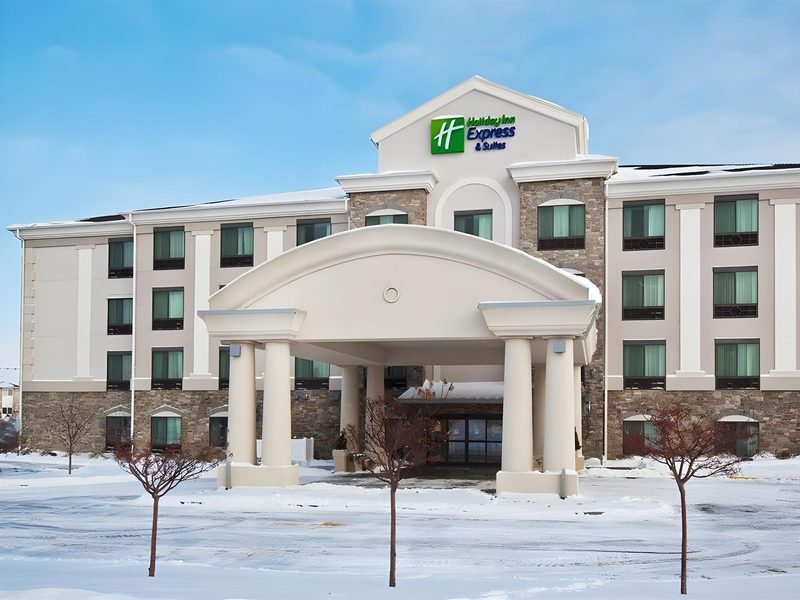
Holiday Inn Express & Suites BISMARCK by IHG
From $259 / night
Check Prices on Trip.com →
Public Holidays in February
Dates that affect opening hours, transport and crowds
Washington's Birthday
Known in English as Presidents Day. Observed nationwide as a public holiday.
Washington's Birthday
Known in English as Presidents Day. Observed nationwide as a public holiday.
Packing Checklist
Bookmark this page — your progress is saved between visits
Need the full list with shopping links?
Climate-specific gear, brand recommendations, and what to leave at home.
View Bismarck Packing List →Essential Tips
Insider knowledge and common pitfalls to avoid
Insider Knowledge
The Peacock Alley bar and restaurant on Main Avenue in downtown Bismarck has been operating in some form since the early 1900s and is the unofficial gathering spot for state legislators, lobbyists, and longtime Bismarck residents during the legislative session. In February 2027, with the session underway, the bar fills after 5 PM with people who run the state. The atmosphere is informal. The drinks are strong. The conversations at the bar are more revealing about North Dakota politics and culture than anything you will read online.
Bismarck sits in the Central Time Zone but the winter sun behaves like you are much farther north. In February, sunrise comes around 7:45 AM and sunset around 5:45 PM, giving you roughly ten hours of usable daylight. The quality of light in the hour after sunrise and before sunset is extraordinary, a low golden wash across the snow that photographers travel here specifically to capture. This is your window.
The wind matters more than the temperature reading. A calm 15°F (-9°C) day in Bismarck feels manageable, even pleasant if the sun is out. A 20°F (-7°C) day with 25 mph (40 km/h) sustained wind, which is common on the open prairie, produces a wind chill around -5°F (-21°C) and makes a five-minute walk to your car feel like an endurance test. Check the wind forecast every morning. Treat wind chill as the real temperature.
If you drive 90 km (56 miles) east on Interstate 94 to Steele, or about the same distance west toward Dickinson, you enter true rural North Dakota where the towns have populations under 1,000 and the landscape is nothing but snow-covered prairie to the horizon. February is when the isolation of the northern Great Plains feels most real. Seeing it, even from a warm car on a clear day, changes your understanding of what settlement and survival meant here.
Avoid These Mistakes
Underestimating the cold because the forecast says 26°F (-3°C). That is the high, reached briefly in the early afternoon. The actual temperature you will experience for most of the day, factoring in wind chill, is often below 0°F (-18°C). Visitors from milder climates routinely arrive with inadequate outerwear and spend the first day buying emergency gear at local stores.
Planning a trip built primarily around outdoor activities. February in Bismarck gives you maybe two to three hours of comfortable outdoor time per day if you are properly dressed, and some days the wind chill makes even that inadvisable. Build your itinerary around indoor anchors, the Heritage Center, the Capitol, downtown restaurants, and treat outdoor time as a bonus when conditions cooperate.
Skipping Mandan entirely. The sister city across the Missouri River has its own character and its own food establishments that locals prefer over some Bismarck options. The drive across the Memorial Bridge takes five minutes. Fort Abraham Lincoln State Park is technically in Mandan's orbit. Treating the two cities as a single destination doubles your options.
Short on time? See day trips around Bismarck on GetYourGuide.
Ready to plan your trip to Bismarck?
Now that you've got the research covered, here's where to go next.
Explore More Activities in Bismarck
Didn't see anything interesting yet?
Browse Viator's full catalog of tours, day trips, food experiences, and private guides in Bismarck.
See All Bismarck Tours on Viator